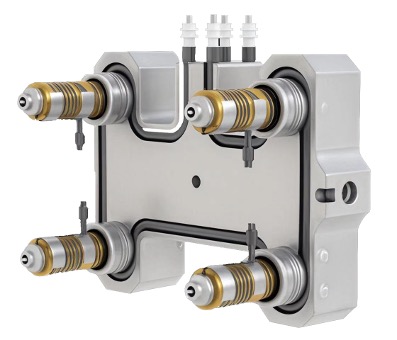
Prediction for Hot Runner Technology

图片 1

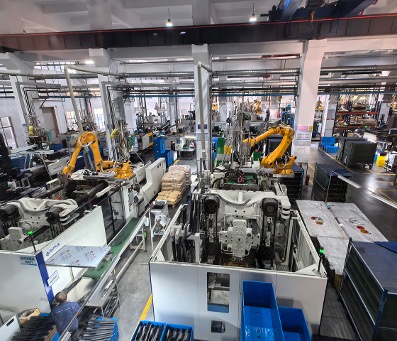
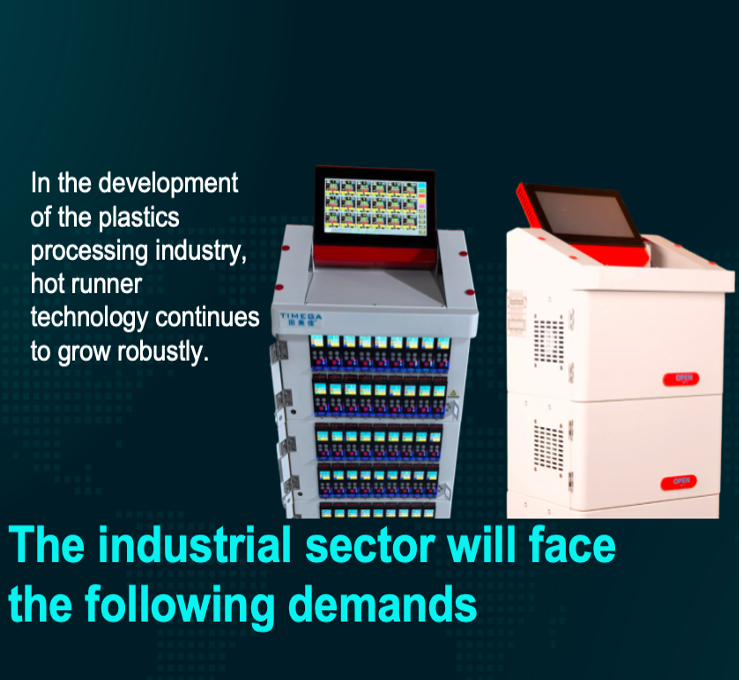
      In the development of the plastics processing industry, hot runner technology continues to grow robustly.


The industrial sector will face the following demands


Customers demand higher expectations for quality
Enhance the potential to eliminate failures in the use of hot runner systems, particularly in new molding processes that incorporate hot runner technology (e.g., decorative panels, gas-assisted injection molding), enabling easier processing of new engineering plastics;
Reduce manufacturing costs by requiring full automation, reliability, shorter lead times, and increased production output.Recent advancements in material technology, heating systems, and automated control are being applied. However, it is insufficient for only specialized companies to address these challenges. The results are evident not only in the quality and reliability of hot runner system components but also in price-performance ratios that increasingly favor effectiveness.
Despite these advancements, hot runner systems remain sensitive equipment requiring skilled operation and maintenance. They have inherent limitations and drawbacks. Hot runner technology is continually evolving to mitigate these shortcomings.

Key Development Areas for Hot Runner Systems
Faced with industry demands, the following advancements are critical:
Leak prevention in external heating systems: A method involves screw-threaded connections between nozzles and runner plates.
230V heating systems to minimize effects on melt temperature: Improved microprocessor-controlled regulators with optimized self-regulation have been integrated into injection molding machine control systems. An alternative approach involves using heat pipes to balance temperature differences or employing fluid-filled pipes.
New materials with enhanced thermal conductivity and high mechanical strength at high temperatures: These reduce temperature gradients during high-temperature nozzle operations and enable processing of wear-resistant and corrosion-resistant plastics. The use of sintered molybdenum has shown notable improvements.
New thermal and thermal-chemical treatments: These improve wear resistance of nozzles at high temperatures. Innovations like ion implantation for sintered molybdenum or silicon carbide coatings on beryllium copper parts have been introduced.
Eliminating melt retention in runner plate channels: Solutions include dividing runner plates into sections, machining channels, and reassembling via diffusion welding. Large-radius tubular runner plates can also reduce melt stagnation.
Miniaturizing nozzles: Micro-nozzles now require miniature heating elements. For instance, 10mm-diameter nozzles operating at 230V are already being produced by certain manufacturers.
Reducing energy consumption and thermal loss in external heating systems: New materials like titanium alloys and reflective aluminum foil insulation are employed. In some cases, redesigning runner plate concepts is necessary to further minimize energy radiation.
Standardization of heater and thermocouple connection systems: Examples include plug-and-socket designs allowing systems from one manufacturer to connect to control boxes produced by another.
Simplifying installation and removal of hot runner system molds: Significant improvements are needed here. Runner plates with threaded nozzles form integrated units, especially if they can be removed as a single assembly along with cables from the mold.
Wider use of 3D computing methods: Spatial simulation of melt behavior during flow enables better design of complex cavities within molds.
Adoption of CAD samples and selection programs for hot runner components: These tools aid in optimizing choices for nozzles, runners, and gates.


Conclusion

Users are deepening their engagement with complex technical challenges and establishing closed-loop cooperation mechanisms with hot runner system manufacturers. Collaboration with experts, combined with computer-aided design verification, reduces costs and defects in the development of complex molds. This synergy drives innovation while addressing the industry’s evolving demands.
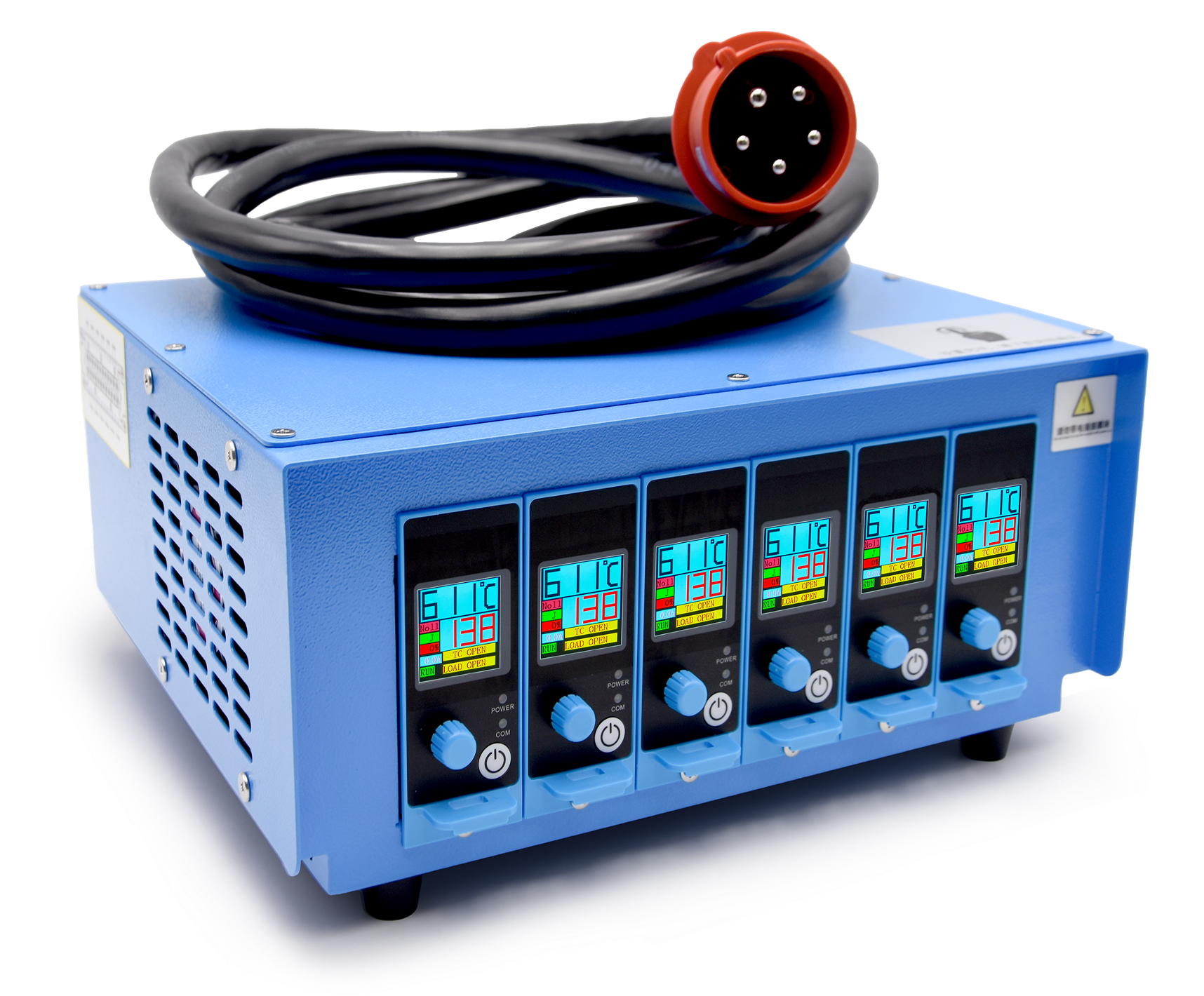
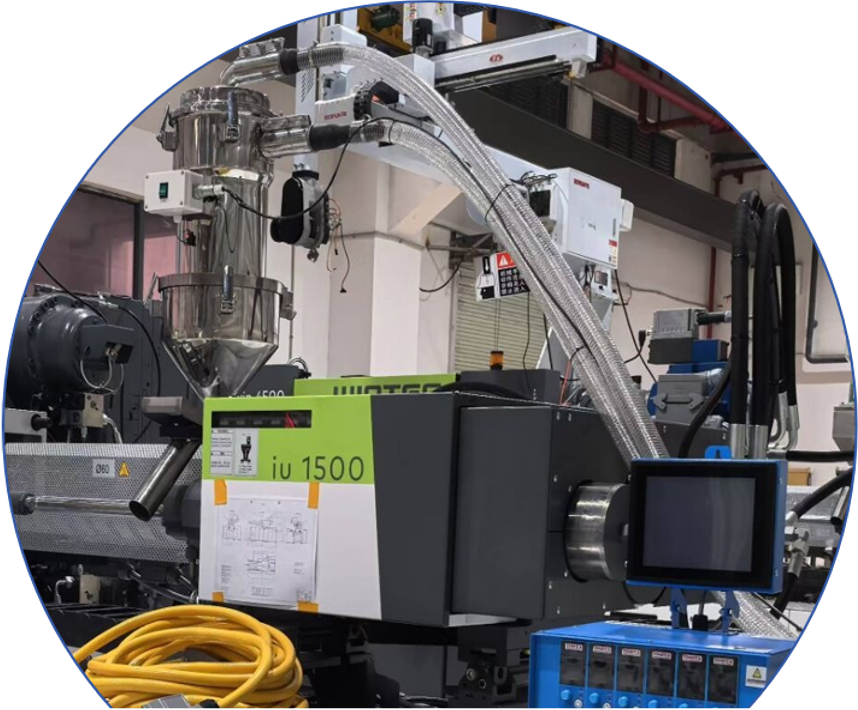
Functions of Hot Runner Temperature Controller

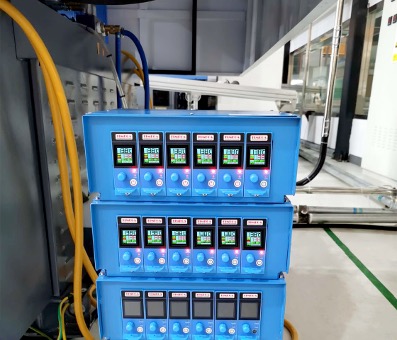
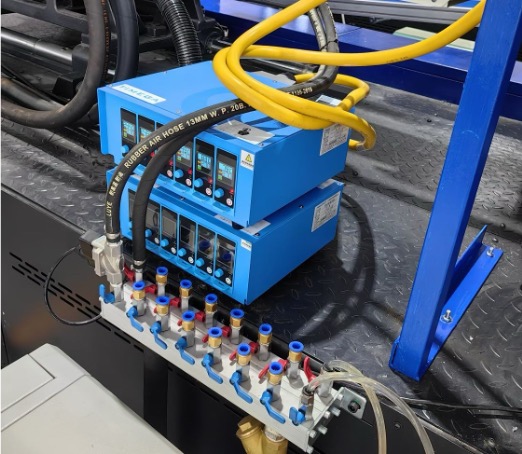
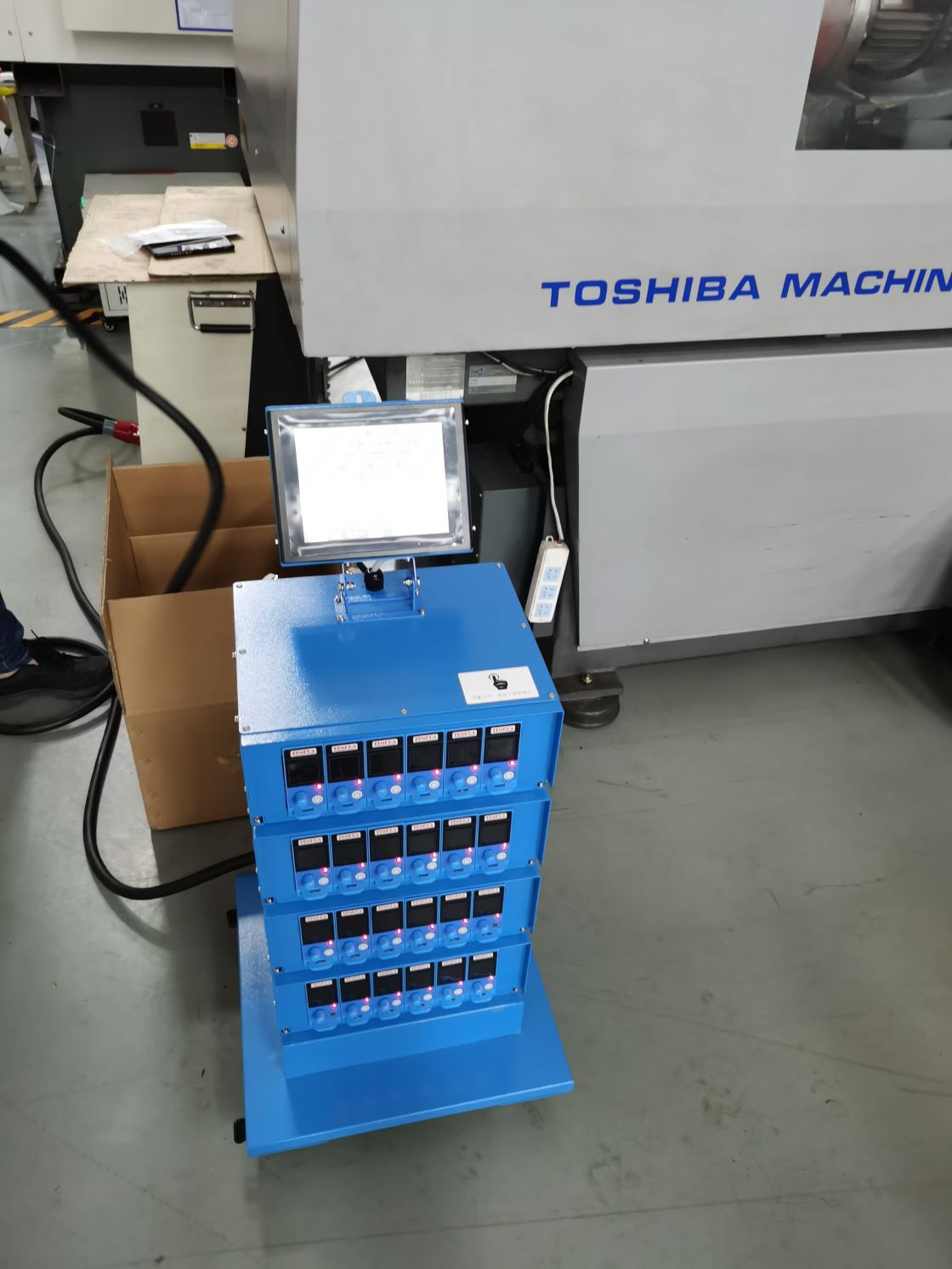
Primary role of a hot runner temperature controller

TG-6-2

Regulate and stabilize the temperature of the hot runner system, ensuring it remains at the set temperature. Only with a stable temperature can the injection-molded products maintain consistent quality.

First, let’s discuss the common issues encountered during the use of a hot runner temperature controller:

Input Power Supply Failure


Most hot runner temperature controllers operate on a three-phase four-wire 380V power supply, which requires a neutral wire. In practice, many users encounter problems such as missing neutral wires, broken neutral lines, or incorrect wiring between live and neutral wires. In such cases, the internal temperature control unit of the controller may fail to receive a stable AC 220V power supply. If the actual voltage exceeds AC 220V, the internal control unit may be damaged. Therefore, the temperature controller must be able to withstand 380V voltage and provide an alarm alert when such a fault occurs.

Heater Short-Circuit Fault


Short-circuit faults frequently occur during the operation of a hot runner temperature controller, mainly due to heater aging or damaged insulation causing wire-to-wire shorts. When a short circuit happens, the circuit experiences a significant current surge. The temperature controller must be able to withstand this surge without sustaining damage.

Incorrect Connection of Thermocouple and Heater


Due to variations in the heavy-duty plug configurations used by different hot runner system manufacturers, users often face mismatches between the temperature controller’s output and the hot runner system’s input. If the connection is made without verifying compatibility, the temperature controller may burn out the thermocouple. To prevent this, the temperature controller must have an automatic identification function to distinguish between heaters and thermocouples. If a misconnection is detected, the controller should trigger protection mechanisms to prevent thermocouple damage.

Conclusion

To address the three faults mentioned above, a hot runner temperature controller must have the following three essential functions:
  1. 380V Overvoltage Protection
  2. Heater Short-Circuit Protection
  3. Thermocouple and Heater Misconnection Detection

Hot Runner Technology (2/2)

0527

Advantages

  • Shortened Cycle Time:Since the runner does not need to be demolded,cooling time is reduced,thereby shortening the cycle time.
  • Cost Reduction:Savings are made on the demolding ,transportation ,recycling ,storage , and pre-drying costs of the runner.
  • Reduced Injection Volume:The elimination of the runner reduces the injection volume,allowing the use of smaller injection molding machines.
  • Decreased Clamping Force and Plasticizing Capacity:The reduction in runner area decreases the projected area,thereby reducing the clamping force and plasticizing capacity.
  • High Gate Design Flexibility:The hot runner system provides greater flexibility in the geometric design of the gate.
  • Cooling and Pressure Advantages:Cooling is no longer an issue in the hot runner system,and lower pressures can be used.
  • Reduced Melt Shear Stress:Increasing the cross-sectional area of the runner can reduce melt shear stress.
  • Support for Advanced Technologies:Hot runner technology is the foundation for advanced techniques such as stack molding,sandwich molding,hot plastic resin foaming injection,and multi-color injection molding.
  • Improved Molding Quality:Effective design of the thermal insulation area in contact with the surface,selection of appropriate materials,and individual cooling of gates can increase holding pressure time,improve the quality of molded parts ,and reduce part shrinkage.

Limitations
  • High Mold Cost:Hot runner molds are more expensive,especially those with needle valve shut-off systems.
  • High Energy Costs:The energy cost of hot runner molds is higher than that of traditional molds.However,considering the energy required for the main and sub-runners in a cycle,the hot runner system may be more advantageous.
  • High Operation and Maintenance Costs:The operation and maintenance costs of hot runner systems are higher and require specially trained personnel.
  • Increased Complexity:Hot runner molds are more complex than traditional molds and require careful operation and high precision.
  • High Thermal Equilibrium Requirements:To minimize thermal and mechanical damage to the melt,a high degree of thermal equilibrium must be maintained,and the equipment temperature must be strictly controlled.
  • Material Thermal Degradation Risk:The residence time of the material in the hot runner may exceed the allowable value,leading to thermal degradation.The type of heating(internal or external)may also cause material thermal degradation.
  • Part Wear and Corrosion:Parts that are highly susceptible to wear and other hot runner components,such as nozzle tips and thermocouples,should be easily inspectable and replaceable.Metal surfaces are prone to chemical corrosion and require a protective layer.
  • Difficulty in Color Change:Stagnant areas in the hot runner make color changes more difficult and may cause material degradation.
  • Thermal Insulation at Gate Area:Thermal insulation should be achieved in the gate area to prevent thermal degradation or unwanted material cooling.
  • Mechanical Stress on Miniaturized Parts:Miniaturized hot runner parts(such as micro-molding)can lead to high mechanical stress,especially for hot runner nozzles with high processing temperatures and high internal pressures.The lack of effective data makes the design of reliable parts complex.

Hot Runner Technology (1/2)

0527

Definition and Basic Principle

  • The hot runner system is a connecting system between the injection molding machine and the mold cavity,embedded in the mold.It allows the plastic melt to remain in a molten state for at least one cycle or more,preventing the melt from solidifying in the runner,which is commonly referred to as"runnerless molding."
The melt flow system acts like a connecting pipe.Regardless of the cross-sectional area and length of the channel,the melt can quickly fill the space around the gate,thus enabling the simultaneous filling of multiple cavities.
Key Considerations

  • Thermocouple Placement:Thermocouples should be placed in areas where the maximum temperature can be measured,i.e.,the region closest to the heat source. Internal Pressure Load:The allowable internal pressure load as a function of temperature is particularly important for hot runner nozzles,but relevant data is difficult to obtain.
  • Gate Cross-Section Design:If the surface of the molded product only allows for a very small gate mark,the gate cross-section should be designed to be smaller,but this will increase.

Summary
​Hot runner technology offers significant advantages in injection molding, such as shortened cycle times, cost reduction, and improved molding quality. However, it also has some limitations, including high mold costs, complex operation and maintenance, and high thermal equilibrium requirements. In practical applications, it is necessary to comprehensively consider these factors to fully leverage the advantages of hot runner technology while minimizing the impact of its limitations.

Overview of Hot Runner 2

1101

         The application of hot runner technology has some obvious advantages, mainly the reduction in raw material waste and the ease of achieving automation in injection processing. In many cases, the production volume of large products is achieved by shortening the injection cycle or adopting other beneficial technologies. Some mold designs have been simplified. Injecting certain large-sized products would be difficult, or even impossible without hot runner technology. Only by using hot runner molds can cost-effective production be possible. In mass production of products, hot runner technology can achieve low costs. However, a basic prerequisite is the correct selection of the hot runner system. If the wrong choice is made, the opposite effect will occur. Some negative effects of hot runner technology during processing stem from misconceptions. For example, arbitrarily selecting nozzles; believing exaggerated claims about optimal parameters and durability, choosing cheap nozzles; using nozzles manufactured by small workshops; unskilled operation; lack of skills and understanding of physical phenomena in plastic processing; lack of reasonable strategies to reduce costs; also due to the poor performance of early hot runner systems. Hot runner manufacturers are aware of the significance of considering these situations and actively provide users with information on the performance of hot runner operations and correct selection. They offer the best explanations regarding relevant components and often take responsibility for system selection.
       No single hot runner system can be suitable for all plastic materials and all types of injection molded products. The range of variation in rheological and thermal properties of thermoplastics is very wide. This means that a dedicated hot runner system may be suitable for one type of thermoplastic but less so for others, and cannot suit all materials. Further improvement in the operation of hot runner systems depends on numerous factors such as injection volume and rate, flow path length, mold cavity shape, and plastic coloration. There are certain limitations in applications for heat-sensitive plastics, shear-sensitive plastics, plastics with flame-retardant additives, plastics with fibers and reinforcements.

Overview of Hot Runner Systems

1001

As a technology for thermoplastic injection molds, hot runner systems have been in use for 50 years.

Hundreds of companies in the market are supplying their respective hot runner systems. The application of hot runner systems continues to grow. It is estimated that one-quarter of injection molds in Europe and one-sixth in the United States utilize hot runner technology. Forecasts indicate that the proportion of applications using hot runner technology will continue to increase. The fundamental principles of hot runner technology were patented in the U.S. back in 1940. Today's evolved hot runner systems differ only slightly from the original principles. In Poland, the first hot runner molds were designed based on reports from BA Company and manufactured by PLASTIC Company in 1965.

In its early stages, the development of hot runner technology was slow with limited interest, and only a few companies were involved in designing and manufacturing hot runner systems.The oil crisis of 1973 brought about various economic factors that spurred the rapid development of hot runner systems. With raw material prices rising weekly, processing companies were forced to reduce base material costs. One method was the use of hot runner systems to eliminate waste materials formed in the main runner. Subsequently, manufacturers' hot runner nozzles and the corresponding runner systems appeared on the market. The sudden surge in demand for hot runner systems also had negative effects. Manufacturers had no time to upgrade existing systems; hot runner nozzles were prone to clogging; they were not adaptable to plastic flow properties; temperature control sensitivity was poor; there was no automatic adjustment control during initial heating. At that time, hot runner technology was not yet perfect. These factors led to a decline in demand and a stagnant phase. Later, increased investment in the development of hot runner technology improved quality.

Over the last 20 years, hot runner technology has matured significantly. Today, the scale of the hot runner system market is large, and effective systems are available for almost all thermoplastics and most applications.

Working Principle of Hot Runner Temperature Controller

0818

In a hot runner system, the hot runner temperature controller is responsible for precisely controlling the melt temperature to ensure the quality of injection-molded products. The stability of its temperature control directly affects the final product's quality. Below, we will detail the working principle of the hot runner temperature controller and its key components.

Hot Runner Temperature Controller

0316-2

Key Components


1. Heater
 Hot runner systems typically use electric heaters, which offer advantages such as small size, fast heating speed, and lower cost compared to oil heaters. Common electric heaters operate at voltages between 200-240V, while some hot runner companies also use low-voltage heaters.
2. Temperature Sensor
 Temperature sensors are crucial for ensuring accurate temperature measurement. Common types include resistance temperature detectors (RTDs) and thermocouples. Due to the limited temperature range of RTDs (usually not exceeding 250°C), hot runner systems generally prefer thermocouples, which have a wider temperature range.
3. Temperature Controller
Given the high temperature control requirements and harsh working environment of hot runner systems, specialized hot runner temperature controllers are used instead of conventional temperature control instruments. For ease of replacement and maintenance, these controllers often feature a plug-in design, known as hot runner temperature control cards. These control cards are powerful and easy to maintain.

Work Process


The work process of the hot runner temperature controller is as follows:
  • Signal Acquisition: The hot runner temperature control card periodically collects temperature signals from the thermocouple sensor and calculates the current actual temperature of the hot runner system.
  • Temperature Comparison: The CPU compares the actual temperature with the preset target temperature, performs control calculations, and determines the power required for the heater.
  • Power Adjustment: By adjusting the power output of the heater, the system achieves precise temperature control, ensuring that the temperature remains within the set range.
    Through this method, the hot runner temperature controller continuously monitors and regulates the temperature, maintaining the melt temperature in the optimal state during the injection molding process. This results in improved production efficiency and product quality.

What is a hot runner system?

0103

The hot runner technology was introduced into the plastics industry more than 50 years ago. It has revolutionized the processing capabilities of injection molding by improving the quality of molded parts, enhancing operational efficiency, reducing waste, and saving costs. The main advantages of hot runner technology:

  • Provide high-quality parts for various applications.
  • Prevent overfilling or under-filling of parts.
  • No sink marks or flash formation on the mold components.
  • Improve production efficiency.
  • Reduce resin waste.
  • Shorten the cycle time.
  • Offer flexible design and provide customized solutions.

How does a hot runner injection molding system work?

Unlike the gate and runner system used in a cold runner system, the hot runner injects the plastic directly into the cavity. One of the greatest advantages of the hot runner system is that the plastic in the runner never solidifies. This reduces the cycle time and allows for faster processing. Another advantage of this system is the reduction of plastic waste, as the material does not harden until the mold is filled. Since there is no gate system, the amount of trimming work required to make the surface of the final product smooth is greatly reduced. The hot runner operates through an additional runner plate, which is fixed to the mold assembly.